
There was a time when the shop floor practically trained itself. Teenagers showed up already comfortable around tools. Farm kids could troubleshoot a leaky injector or burn in a decent bead and nobody blinked. Lately, we’re seeing the edges fray. The trains still run. The crowds are there. But the bench behind the veterans is thin, and it shows up in a hundred little ways.
Here are a few snapshots from our own world that say it out loud.
Scene 1: “I need people to drill holes and fab on Saturday”
Right after a strong steam weekend, we put out an email asking folks to pull one more shift and then flagged a shop blitz day. The ask was simple. Drill holes. Clean up. Light fabrication. The kind of tasks that used to get snapped up by the first five people through the door. We got help, but the signal was clear. Operations are healthy. The pipeline for hands-on restoration is not.
Scene 2: The career center visit
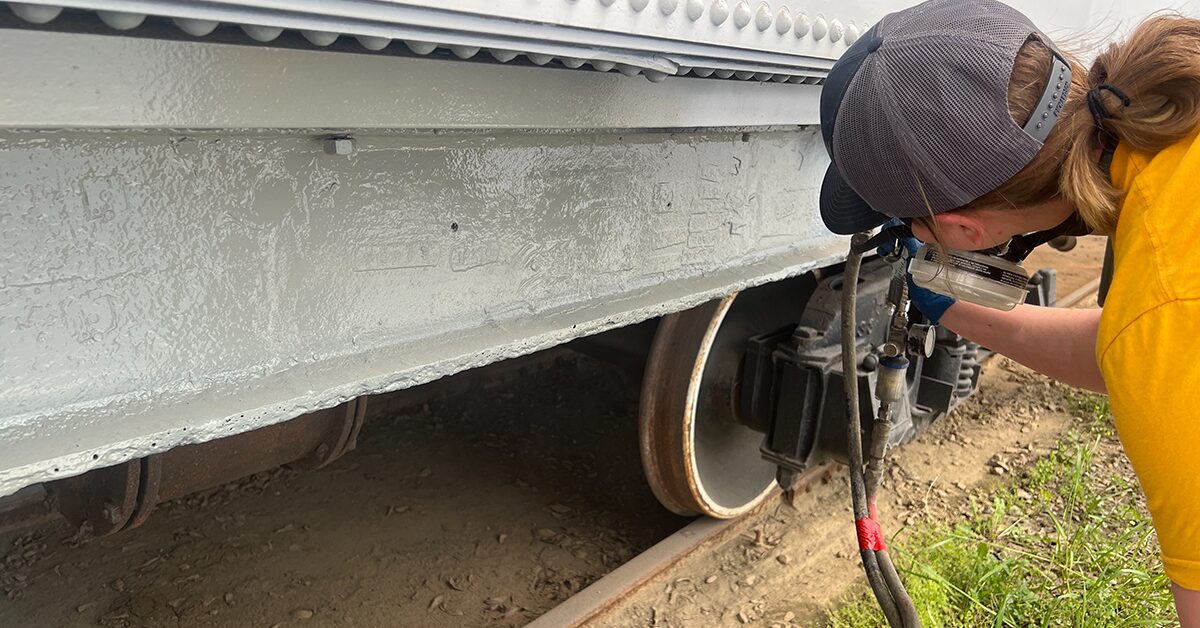
We lined up a visit from a local career and technical school. Splitting a group of juniors and seniors between shop stations. Real projects on real equipment. Less “museum tour” and more “this is the PPE, this is how you measure, this is how you fix.” That was intentional. If we want kids to show up with baseline skills, we need to be the place that gives them a start. Meet them halfway. Put the wrench in their hand. Make it safe, structured, and fun. Then invite them back.
Scene 3: The hard email nobody wants to write
Inside a planning thread, someone put it plain. We are developing a bigger gap than ever in volunteers with the skilled trades needed when they walk in the door. “We do not have the talent pool we had ten years ago.” That line stuck with me. It was not a complaint. It was a diagnosis. You can feel it in how long projects linger, how often we reshuffle people, how thin we stretch the same three names when a boiler task or a precision fit-up appears.
Scene 4: Great weekends still take a toll
We had a weekend that felt like the railroad should. Happy riders. Strong crew. Clean operations. Then the follow-up ask for more shop help came immediately. Wins in operations do not automatically feed wins in restoration. If anything, they highlight how critical the shop pipeline is. You can sell every seat on the train. If you cannot maintain and rebuild what you run, you are just burning good will on borrowed time.
So what do we do about it
I do not buy the story that young people do not care about the skills needed to do the work. I do think we made it harder for them to get near the work. Liability. Complexity. Gatekeeping. Schedules that assume everyone is retired. A wall of jargon that makes smart people feel like they do not belong yet. That is on us.
Here is the playbook we are leaning into. None of this is theoretical. It is the stuff we are already doing or about to do.
- Apprenticeships in the shop and on the road. Think eight to twelve weeks. One night a week. One Saturday a month. Paired with a mentor. Clear outcomes. “By week 4 you will safely needle-scale a truck.” “By week 8 you will measure and fit a bushing.” Badges and a simple logbook so progress is visible. Pass it, get invited to the next tier.
- Task ladders instead of mystery doorsPost the actual ladders. Car host to Passenger Services Manager. Apprentice welder to certified shop hand. Engine crew to fireman. Spell out the training, the tests, and the timeline. If people can see the steps, they climb them.
- Trade-school partnerships that are real More shop days with high school programs. Invite instructors to co-design modules. “Intro to precision measurement” in a railroad context is still precision measurement. Same with electrical troubleshooting, rigging, HVAC, and paint. We get fresh eyes and energy. They get real industrial context and a reason to care.
- Mentor the mentors Most of the knowledge lives in a handful of people who have earned the right to be picky. We can make their lives easier. Give mentors a simple teaching toolkit. Safety brief scripts. One-page procedures. The goal is not to dumb down the craft. The goal is to make it teachable without draining the mentor dry.
- Earlier wins for new hands Not everyone starts by rolling tubes or rewiring a diesel. Give people early, visible wins that still matter. Fabricate a set of grab irons. Restore and wire a marker lamp correctly. Rebuild a seat frame. Replace vestibule tread. Patch and paint a coach end. These tasks build confidence and lighten the backlog.
- Schedule like people have jobs and kids More evening slots. More predictable Saturdays. Less “maybe we will be there, maybe not.” Put it on a calendar. Make it stick. Communicate like professionals.
- Tell the story of the shop with the same energy as the excursions Riders love the sound and the smoke. They also love the people who make that possible. Short posts that show a fixture you made. A jig you designed. A broken thing made right again. Invite comments. Invite questions. Then invite them to class.
What success looks like
In a year, we should be able to point to a handful of people who can do the basics without babysitting. In two years, a handful who can lead a task. In three years, a few who can teach what they learned to the next batch. The veterans are still the backbone, but the weight feels lighter because more shoulders are under it.
I am not nostalgic for some golden age. I am practical. The railroad runs or it does not. If we want to keep the steam hot and the diesels honest, we have to build the pipeline on purpose. One class. One mentor. One Saturday. Repeat.
If this resonates, say something below. Tell me what worked at your shop. Tell me where you got stuck. If you are a young person who wants in, tell me what night you are free. I will meet you at the shop and hand you a wrench.
We Don’t Have The Talent Pool We Had Ten Years Ago
Leave a Reply