
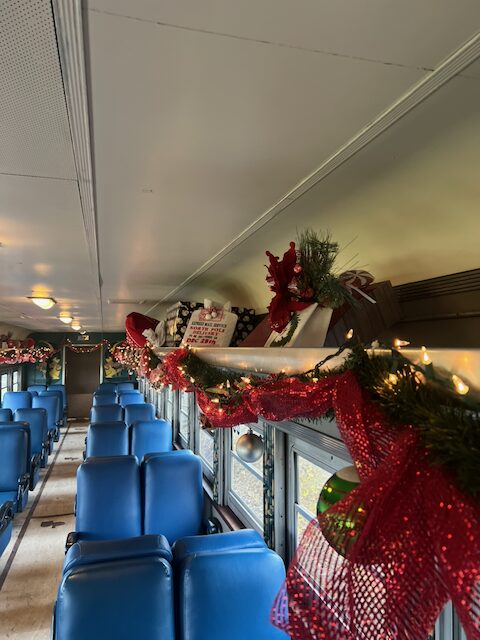
The platform lights are dark. The last families have driven home with sleepy kids clutching candy canes. Somewhere in a cold shop building, a locomotive is cooling down for the first time in weeks.
It’s the moment every heritage railroad works toward all year. And the moment that can break an organization if they’re not careful.
The Quiet That Nobody Talks About
Holiday trains are the lifeblood of most tourist railroads. For many operations, those six weeks between Thanksgiving and Christmas represent 40 to 60 percent of annual revenue. The North Pole Limited. The Polar Express. Santa’s Lighted Forest. Whatever you call yours, it kept the lights on.
But here’s what the brochures don’t mention: the week after Christmas is when the real work begins.
Equipment that’s been running hard needs attention. Volunteers who pushed through double shifts need rest. And leadership needs to take an honest look at what worked, what didn’t, and what nearly went sideways.
Most organizations skip this step. They’re exhausted. They want to coast into January. That’s a mistake.
The 72-Hour Window
The best-run heritage railroads I’ve seen treat the first 72 hours after their last holiday departure like a structured debrief. Not a party. Not a collapse. A debrief.
Walk the equipment. Document everything while memories are fresh. That weird noise the coach made on December 20th? Write it down now or lose it forever. The volunteer who mentioned a near-miss with a passenger? Get that conversation on record before the holidays scatter everyone.
This isn’t about blame. It’s about building institutional memory. Heritage railroads lose knowledge constantly. Volunteers move. Key people pass away. The only defense is documentation, and the best time to document is while the season’s lessons are still raw.
The January Cliff
Here’s an uncomfortable truth: many heritage railroads lose 20 to 30 percent of their active volunteers between December and February.
Some of it is natural. Snowbirds head south. Schedules shift. But a big chunk of that loss is preventable burnout. Volunteers who gave everything during the holiday rush and got nothing back but another ask.
If your organization doesn’t have a plan for volunteer appreciation and rest in January, you’re spending down your most valuable asset.
This doesn’t require a big budget. A handwritten note from leadership. A small gathering in February when things calm down. Recognition in your newsletter that names specific people and specific contributions. The details matter less than the intention: showing your people that you noticed.
Money In, Money Out
Holiday revenue feels like a windfall. After months of scraping by, suddenly there’s cash in the account. The temptation is to immediately start spending on that project you’ve been putting off.
Slow down.
The organizations that thrive long-term treat January as a financial reckoning. How did actual revenue compare to projections? Where did costs creep higher than expected? What’s the real margin after you account for the overtime, the emergency repairs, the weather cancellations?
Get your board to look at these numbers in January, not March. The patterns are easier to see when the season is still fresh. And if something went wrong financially, you want to catch it before it becomes a habit.
Planning for Next Year Starts Now
I know. You just finished this year. The last thing you want to think about is next December.
But the decisions that shape your next holiday season are made in the first quarter. Will you add capacity? Change your ticketing system? Adjust pricing? Recruit for specific volunteer gaps?
The railroads that run the smoothest holiday operations aren’t working harder in November. They’re working smarter in January.
The Real Gift
Here’s what I keep coming back to: the holiday train season isn’t just about revenue. It’s about the families who’ll remember that ride for decades. The kids who’ll grow up and bring their own children back someday.
That magic doesn’t happen by accident. It happens because people like you do the unglamorous work in the off-season. The maintenance. The planning. The relationship-building.
So take a breath. You earned it. But don’t take too long.
The next Santa train is only 340 days away.
Leave a Reply